


High-quality printing services can grow your business
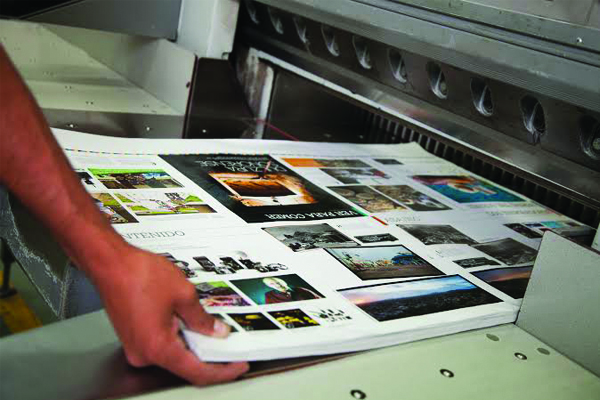
Opting for high-quality printing services enhances brand value and credibility. This involves selecting the right technology such as offset printing for large volume orders or digital printing for urgent requirements and choosing a service provider that offers expert consultation on design and file preparation, ensuring the best possible return on your investment.
Popular Types of Print Work for Businesses
• Packaging & Product Boxes
- Ideal for: Retail products, food and beverages
- Key benefits: Adds value to products, establishes brand identity
• Stickers and Labels
- Suitable for: Bottles, product packaging (pouches/sachets), and shipping boxes
- Key advantages: Low cost; versatile for a wide range of products
• Marketing Materials/Brochures
- Suitable for: Events and storefronts
- Key advantages: Effective for reaching specific target audiences
What defines high-quality printing?
High-quality printing is the result of a standardized production process at every stage. This are preparing files with a resolution of at least 300 DPI and using the CMYK color model, to employing industrial-grade machinery that ensures consistent sharpness and color accuracy, and conducting rigorous quality control (QC) checks before, during, and after the printing process.
Elements of Quality Printing
- Prepress: Ensure proper bleed, use the CMYK color mode, and maintain an image resolution of at least 300 DPI for sharpness.
- Printing Method: Select the appropriate printing system such as offset printing for large-volume jobs, or digital printing for urgent, small-quantity projects.
- Color Proofing: Utilizing both on-screen and digital/hard proofs to ensure color accuracy against established standards (such as Pantone or Delta E values).
- Post-press: Achieving a refined, premium finish through techniques such as lamination/coating (UV, Spot UV, foil stamping), die-cutting, and precise, square-aligned binding.
Popular Types of Printing
- Offset: Ideal for large-volume print runs, such as books, magazines, and catalogs. It offers consistent, high-quality color and a lower cost per unit when produced in large quantities.
- Digital: Suitable for urgent projects and small-print runs. It allows for variable data, such as sequential numbering or unique QR codes for individual items.
